Insoya: Nutrition, Benefits, Uses & Safety Explained
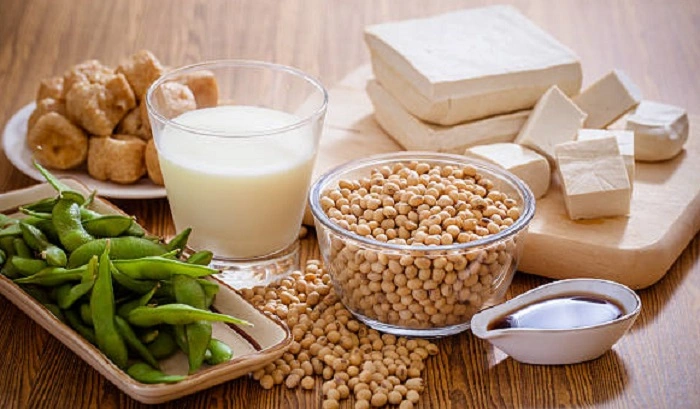
People have been eating soy in one form or another for centuries. Across East Asia, it has shown up on dinner tables as tofu, miso, tempeh, and soy milk for generations. But lately, a different term has been quietly gaining ground in health and nutrition circles Insoya. Gym-goers are mentioning it. Dietitians are discussing it. Families trying to eat better on a budget are looking it up. So before you dismiss it as just another wellness trend, it is worth understanding what it actually is and whether the attention is justified.
So what exactly is Insoya?
At its core, Insoya is a processed, concentrated form of soy protein. It starts with soybeans, the same legume that has been part of Asian diets for thousands of years and goes through a more refined extraction and processing method that results in a higher protein content, better digestibility, and a much more neutral taste compared to traditional soy foods. Depending on what you buy, it comes in different forms: chunks, granules, flour, textured pieces, or protein powder. Each form works differently in cooking, but all of them carry the same fundamental nutritional strengths.
Why Is It Different from Regular Soya Chunks?
Plain soya chunks, the kind most South Asian households are already familiar with, are made by simply defatting soybean flour and extruding it into a textured shape. That process is basic. Insoya, by contrast, often goes through fermentation and sometimes nutrient enrichment as well. Fermentation matters because soybeans naturally contain compounds called phytates and trypsin inhibitors.
These are anti-nutritional factors that interfere with how well your body absorbs minerals and digests protein. Fermentation breaks those compounds down. The result is a product that your digestive system handles more easily, and one where a greater percentage of the nutrients actually make it into your bloodstream rather than passing through unused.
How Insoya Is Actually Produced
Starting with the soybeans themselves, producers select organically grown, non-GMO varieties wherever possible. The beans are cleaned and soaked in water, which activates natural enzymes that begin breaking down complex proteins and sugars. During this soaking phase, phytic acid, a compound that blocks mineral absorption starts to reduce.
From there, beneficial microorganisms such as lactic acid bacteria are introduced for fermentation. These microbes do the heavy work of dismantling the harder-to-digest compounds that typically cause bloating with regular soy. Once fermentation is complete, some versions are enriched with nutrients like Vitamin B12, iron, and omega-3 fatty acids. The processed material is then dried and shaped or ground into its final form, ready for use in cooking or as a supplement.
What the Nutrition Numbers Actually Look Like
Per 100 grams of dry Insoya, here is a general picture of what you are working with:
| Nutrient | Approximate Amount |
| Protein | 52 – 55 grams |
| Calories | 330 – 340 kcal |
| Carbohydrates | ~30 grams |
| Dietary Fiber | ~13 grams |
| Fat | ~1 gram |
| Cholesterol | 0 mg |
These figures can shift depending on the brand and whether the product has been fortified. Reading the label on any specific product is always the right move before drawing conclusions. What the numbers above do confirm, though, is that Insoya delivers a serious protein punch with almost no fat, a combination that is genuinely difficult to find at this price point in any food category.
Heart Health and Cholesterol
Cardiovascular disease remains one of the leading causes of death globally, and diet plays a direct role in either protecting against it or contributing to it. On this front, soy protein has a credible but nuanced track record among plant-based foods. Replacing animal protein with soy in the diet has been associated in multiple studies with modest reductions in LDL cholesterol, the type that builds up in artery walls and raises heart disease risk. A meta-analysis of 46 controlled trials found that soy protein at approximately 25 grams per day reduced LDL cholesterol by around 3–5% on average, a statistically significant but moderate effect.
Insoya carries no cholesterol of its own and contains almost no saturated fat, making it a sensible choice for anyone keeping an eye on their cardiovascular health. It is worth noting, however, that the science here is still evolving. The U.S. FDA originally authorized a health claim linking soy protein to reduced coronary heart disease risk in 1999, but proposed revoking that claim in 2017 after concluding that newer evidence was inconsistent.
The claim technically remains on the books in a qualified form, but the overall picture is one of modest benefit not a guaranteed heart cure. Including Insoya as part of a diet low in saturated fat and cholesterol is a reasonable strategy, but it should be seen as one component of a broader heart-healthy approach.
The Complete Protein Question
One of the most persistent myths about plant-based diets is that they cannot provide adequate protein because plant proteins are incomplete. That criticism applies to most plant foods but not to soy. Soybeans are one of the rare plant sources that contain all nine essential amino acids the human body needs but cannot manufacture on its own.
This makes Insoya particularly valuable for people who have cut out meat or significantly reduced their consumption. You do not need to carefully combine it with other foods to make up for missing amino acids the way you would with, say, rice or lentils eaten alone.
Muscle Recovery and Physical Performance
Athletes and people who exercise regularly need protein not just for energy but for repairing the small tears that form in muscle fibers during training. The branched-chain amino acids leucine, isoleucine, and valine are the ones most directly involved in triggering muscle protein synthesis after exercise. Insoya contains all three in meaningful amounts.
In fermented versions, these amino acids become more bioavailable, meaning the muscles receive them faster and in a more usable form. This is why fitness coaches who work with vegetarian and vegan clients increasingly recommend Insoya as a post-workout protein source rather than just defaulting to whey.
Weight Management Without Hunger
Cutting calories is difficult when you are hungry all the time. High-protein foods address this problem directly because protein takes longer to digest than carbohydrates and triggers hormones that signal fullness to the brain. Insoya also contains a reasonable amount of dietary fiber, which adds to the satiety effect. People who include protein-rich, fiber-containing foods in their meals tend to eat less overall not because they are disciplined, but because they genuinely feel satisfied. For weight loss plans that rely on reducing food intake, this combination of protein and fiber is practically useful.
Gut Health The Fermentation Bonus
Most protein foods do nothing for your gut microbiome. Insoya, specifically the fermented kind, is different. The fermentation process introduces probiotic organisms that remain active in the final product. These organisms produce short-chain fatty acids and bioactive peptides inside the gut, both of which contribute to a healthier intestinal environment. The gut lining is strengthened, inflammation is reduced, and nutrient absorption improves. For people who have historically avoided soy because it caused gas or bloating, fermented Insoya is worth trying again; the fermentation step specifically targets the compounds responsible for those complaints.
Bone Density Over Time
Calcium and isoflavones are the two nutrients in soy that have attracted the most attention when it comes to bone health. Isoflavones are plant compounds that weakly interact with estrogen receptors in the body. In postmenopausal women, where estrogen levels decline significantly, several meta-analyses of randomized controlled trials show that regular isoflavone intake can lead to modest but meaningful improvements in bone mineral density, especially in the spine and hip.
The effect is real but moderate, and varies depending on dose, duration, and individual factors such as time since menopause and ethnicity. For older women especially, the combination of protein, calcium, and isoflavones in Insoya makes it a nutritionally sensible addition to regular meals though it is not a replacement for medical advice or prescribed treatments for osteoporosis.
Blood Sugar and Metabolic Health
Unlike refined carbohydrates that send blood sugar spiking within minutes of eating, Insoya has a low glycemic index. That means glucose enters the bloodstream gradually, maintaining more stable energy levels throughout the day. For people managing type 2 diabetes or insulin resistance, low-glycemic foods are a core dietary strategy. Some emerging research also points toward soy isoflavones supporting improved insulin sensitivity, though this area still needs more large-scale human trials before firm conclusions can be drawn.
Cooking with Insoya Practical Uses
Versatility is one of the more underappreciated qualities of Insoya. Unlike protein powders that only work in shakes, Insoya integrates into actual cooking without much effort:
Curries — Soak the chunks, squeeze out the water firmly, and cook them in a base of onions, tomatoes, ginger, garlic, and spices. They absorb the gravy flavors remarkably well.
Rice dishes — Insoya granules or small chunks mixed into pulao or biryani work as a cost-effective, high-protein alternative to chicken or mutton.
Stir-fries — Rehydrated chunks tossed with vegetables, garlic, soy sauce, and chili flakes come together in under ten minutes with 35+ grams of protein per plate.
Cutlets and patties — Mashed with boiled potato and seasoning, then shallow-fried. A standard household recipe that works well for children too.
Protein shakes — Insoya powder blended with banana, oats, and peanut butter creates a complete breakfast with substantial protein without any supplement required.
One technique worth emphasizing: always squeeze out the soaking water thoroughly after rehydrating chunks. Leaving excess moisture in prevents the pieces from absorbing flavor properly. That single step makes a noticeable difference in how the final dish tastes.
Daily Intake Guidelines
There is no official universal standard for Insoya specifically, but general guidance based on soy protein research suggests:
- Beginners — 25 to 30 grams per day
- Moderately active individuals — 40 to 50 grams per day
- Those in regular intense training — Up to 60 grams per day
Drinking enough water throughout the day is particularly important when protein intake increases, since the kidneys require adequate hydration to process and excrete the byproducts of protein metabolism.
Who Should Be Cautious
Soy allergy — Soy is one of the eight major allergens recognized by food safety agencies worldwide. Anyone with a diagnosed soy allergy must avoid Insoya completely and read ingredient labels carefully, since soy derivatives are present in a wide range of processed foods.
Thyroid conditions — Large quantities of soy-based foods can interfere with the absorption of thyroid hormone medications. People managing hypothyroidism should consult their doctor before making Insoya a daily staple, and if they do use it, a gap of at least four hours between medication and soy consumption is generally recommended.
Hormonal concerns — Because soy contains phytoestrogens, questions about hormonal disruption come up regularly. The current body of clinical evidence including a 2021 meta-analysis of 41 randomized controlled trials indicates that neither soy nor isoflavones significantly affect testosterone or estrogen levels in healthy adult men at normal dietary intake levels.
Very high doses, well beyond what typical consumption would involve, have been associated with hormonal changes in isolated case reports, but these are not representative of normal use. Moderate consumption in the range of 25 to 50 grams of soy protein per day is considered safe for healthy adults.
Children — Insoya can be part of a child’s diet in moderate amounts, but it should not be the only protein source. Dietary variety matters more during developmental years.
Environmental Considerations
Food choices carry an environmental footprint that is easy to overlook when standing in a grocery aisle. Soy protein production requires significantly less water and land per gram of protein compared to beef, poultry, or dairy. Greenhouse gas emissions associated with plant-based protein production are also substantially lower. For households that are thinking about reducing their environmental impact through diet, even partially swapping some meat-based meals for Insoya-based ones is a practical, low-friction way to do that. When choosing a product, looking for non-GMO certification and transparent sourcing information is worthwhile if sustainability is a priority.
A Few Honest Caveats
No food deserves unconditional praise. Insoya is nutritious, but some commercially available products marketed under similar names are heavily processed and contain added sodium, sugars, or artificial preservatives. The label matters. Choosing options with simple, recognizable ingredient lists will consistently serve you better than going for heavily flavored or additive-laden versions just because they carry appealing packaging.
Also worth noting: Insoya works best as one component of a varied diet, not as a dietary solution in isolation. No single food, however nutritious, covers the full range of what the human body needs long-term.
Closing Thoughts
Thousands of years of soy consumption have given researchers a lot to work with. The science backing soy protein’s role in muscle maintenance, weight management, bone density, and cholesterol reduction is among the most studied in plant-based nutrition though the effect sizes are generally moderate rather than dramatic.
Insoya builds on that foundation by addressing the practical limitations that made traditional soy products difficult for many people: the digestive issues, the harsh flavor, the reduced nutrient absorption.
Whether you are a vegetarian looking for reliable protein, an athlete keeping costs down, or a family simply trying to eat better without spending more, Insoya offers something genuinely worth considering. Just approach it as a food, evaluate it on its nutritional merits, and let the numbers speak for themselves.