Fig Fruit (Figù): Benefits, Nutrition, History & How to Eat It
If you have ever come across Mediterranean food or Italian cuisine, you might have seen the word “Figù.” But what exactly is it? Is it only a fancy name, or is there something more to it? This article covers everything about Figù, its history, varieties, nutritional value, health benefits, and how people eat it. Everything here is factual and verified.
What Exactly Is Figù?
Figù is the word for “fig” in Sardinian, Asturian, and Fala languages spoken in Sardinia (Italy), Asturias (Spain), and a small region of western Spain. All of these words trace back to the Latin root fīcus, meaning fig tree or fig fruit. So “Figù” is not a made-up or informal term, it is a real, linguistically documented word for the fig fruit used in specific regional languages descended from Latin.
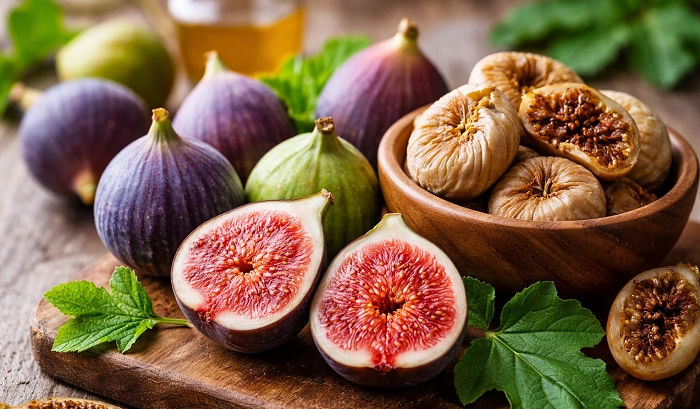
The fig itself belongs to the species Ficus carica and is part of the mulberry plant family (Moraceae). The fruit has a teardrop or rounded shape. Its outer skin can be purplish-black, greenish-yellow, or brownish depending on the variety. Inside, the flesh is soft and pink, filled with hundreds of tiny edible seeds that give it a slightly chewy texture.
The History of Figù
Figù the fig is one of the oldest cultivated fruits on the planet.
Over 6,000 Years of History
Archaeological evidence shows that fig cultivation goes back more than 6,000 years. In fact, carbonized figs found at an archaeological site in the Jordan Valley date back approximately 11,400 years predating the domestication of wheat and barley. Ancient Egyptian, Greek, and Roman civilizations all relied on figs as a staple food. Beyond eating them, these cultures attached deep meaning to the fruit.
In ancient Greece, the fig was regarded as a symbol of abundance, fertility, and prosperity. The Greeks considered figs a gift from Demeter, the goddess of harvest and the earth. In Rome, the fig tree held symbolic importance as well. Romulus and Remus, the legendary twin founders of Rome, were said to have been sheltered under a fig tree. The fig tree was considered an emblem of the future prosperity of the Roman people. These are documented historical and mythological accounts, not folk legends.
Figs in Religious Traditions
Figs appear in the sacred texts of multiple major religions. The fig tree is mentioned more frequently than any other fruit-bearing plant in the Hebrew Bible. It also appears in the New Testament, the Quran, and Buddhist tradition. In many of these contexts, figs symbolize peace, prosperity, and spiritual significance. In ancient Greek and Roman culture, fig trees were often planted near homes as a symbol of good luck and a fruitful life.
Common Varieties of Figù
There are over 150 varieties of figs found around the world. Here are the most well-known ones:
Black Mission Fig
Originally from Spain’s Balearic Islands, this variety was introduced to America by Spanish missionaries in the 16th century and later cultivated by Franciscan missionaries in California which is where the name “Mission” comes from. It has deep purplish-black skin and strawberry-red flesh inside. It is one of the sweetest fig varieties, with hints of honey and molasses in its flavor. It also bears fruit twice a year and is the most commonly dried fig variety.
Brown Turkey Fig
This variety has brownish-purple skin with pinkish flesh. It is noticeably less sweet compared to Black Mission, which makes it a better fit for salads and savory dishes. It is available fresh from May through November.
Kadota Fig
Light green or amber-colored skin with a mild, subtle flavor. It is among the least sweet of the popular varieties and is often used in jams, preserves, and baked goods because of its balanced taste.
Calimyrna Fig
This one has greenish-golden skin and a striking pink interior. What sets it apart is its distinct nutty flavor, something not commonly found in most other fig varieties. When dried, it turns a golden color. In season from June to September.
Adriatic Fig
Originally from central Italy, this variety has dark green skin with a blood-red interior. The flavor is often compared to strawberries or raspberries, but with more depth. It is considered an all-purpose variety and works well in both sweet and savory dishes.
Nutritional Profile of Figù
Here is what verified research confirms about figs nutritionally.
What You Get in Fresh Figs
Two medium-sized fresh figs contain roughly 2 grams of dietary fiber. They also provide modest amounts of copper, manganese, iron, vitamin K, magnesium, and calcium. While two figs alone will not hit your daily targets for any of these nutrients, they contribute meaningfully to your overall intake.
Dried figs are more calorie-dense around 249 calories per 100 grams but they also carry higher concentrations of minerals and vitamins because the water content has been removed.
Compared to other commonly consumed fruits such as apples, dates, and grapes, figs provide a higher concentration of dietary fiber, potassium, calcium, and iron.
Bioactive Compounds
Beyond basic vitamins and minerals, figs contain a range of plant-based compounds including flavonoids, phenolic acids, carotenoids, and tocopherols. These have been studied for their antioxidant properties and have been used in traditional medicine systems for centuries including in Ayurvedic and Chinese medicine for issues related to digestion, inflammation, and respiratory health.
Read Also: Insoya: Nutrition, Benefits, Uses & Safety Explained
Health Benefits of Figù What Science Actually Says
Digestive Health
This is the most consistently supported benefit. The high fiber content in figs promotes bowel regularity and supports gut health. Figs also contain prebiotic nutrients that feed beneficial bacteria in the gut, which helps reduce inflammation and supports the immune system.
Heart Health
Some animal and lab-based studies suggest that fig extract may help lower blood pressure and improve cholesterol levels, specifically raising HDL (good) cholesterol and reducing total cholesterol. However, it is important to be clear: most of this research used fig extract in controlled settings, not whole fruit consumed by humans in real life. Human studies have produced mixed results, some found no significant benefit, and a few even observed a slight increase in LDL cholesterol and fasting glucose in certain participants. More well-controlled human studies are still needed before firm conclusions can be drawn.
Blood Sugar Management
A 2019 study found that drinks containing high amounts of fig fruit extract had a lower glycemic index compared to drinks without it meaning a slower rise in blood sugar. Animal studies have also shown that fig extract may improve glucose tolerance and insulin sensitivity. These are encouraging early findings, but human clinical trials are still limited.
Skin Health
A small clinical study involving 45 children with allergic dermatitis found that a cream containing dried fig fruit extract, applied twice daily for two weeks, was more effective at reducing symptoms than a standard hydrocortisone cream. Lab research also suggests fig extract may protect skin cells from oxidative damage and reduce collagen breakdown. These are genuinely interesting findings, though the study size is small and broader research is needed.
Bone and Blood Health
Figs contain calcium, magnesium, and vitamin K all of which support bone health. Vitamin K, in particular, is essential for proper blood clotting. This brings up an important caution: if you are taking blood-thinning medications (anticoagulants), vitamin K can interfere with how those medications work. It is worth discussing with your doctor if this applies to you.
How to Eat Figù
One of the best things about figs is how many ways there are to enjoy them.
Fresh
Fresh figs do not last long, buy them only a day or two before you plan to eat them. Look for ones that are plump, deeply colored, and slightly soft to the touch. Avoid any with bruising. Store them in the refrigerator for up to five to seven days, or freeze them in a sealed container for up to six months.
Simple ways to eat fresh figs:
- Slice them and serve over yogurt with a drizzle of honey.
- Pair them with goat cheese or soft cheese on a platter
- Toss them into salads for natural sweetness
Dried
Dried figs have a chewier texture and more concentrated sweetness. They work well as a snack on their own or as an ingredient in baked goods, energy bars, and grain dishes.
Cooked
- Fig jam — cook figs down with sugar and lemon juice until it reaches a spreadable consistency. Use on toast, pancakes, or as a pastry filling.
- Roasted figs — cut in half, drizzle with honey, sprinkle with cinnamon, and roast in the oven. Works as a dessert or a side dish alongside savory meals.
- Fig chutney — a rich, tangy condiment that pairs well with grilled meats or poultry.
One well-documented culinary fact: Black Mission figs, when combined with savory ingredients like salt, cocoa, and spices, produce a deep, smoky, almost meat-like flavor. This is a genuine characteristic of the fruit that multiple culinary sources confirm not a marketing claim. It makes them surprisingly versatile beyond just sweet applications.
A Quick Personal Note
The first time I came across dried figs, the wrinkled exterior was not exactly inviting. But once I tried them with yogurt and a little honey, the flavor surprised me. It is not just sweetness there is a depth to it that you do not get from most fruits. Nothing fancy required. Just the fruit as it is.
Things to Watch Out For
Figs are safe for most people, but a few things are worth knowing:
- Allergy risk — people who are allergic to birch pollen may also react to figs due to cross-reactivity between the two.
- Medication interaction — the vitamin K in figs can reduce the effectiveness of blood-thinning medications. Check with your doctor if you are on anticoagulants.
- Blood sugar — figs are naturally high in sugar. If you have diabetes or are managing blood sugar, moderate consumption is better than eating large amounts at once.
Summary
Figù is the fig a fruit with a documented word in Sardinian, Asturian, and Fala, all tracing back to Latin. It is one of the oldest cultivated fruits in human history, with verified nutritional benefits around fiber, antioxidants, and digestive health. Some other benefits like heart health are still being studied and should not be overstated. It is not a miracle food, but it is a genuinely nutritious and versatile fruit worth knowing, worth eating, and backed by real history.
This article is for informational purposes only. If you have a specific health condition, consult a qualified healthcare professional before making changes to your diet.