
Coffemanga: The Beautiful Blend of Coffee Culture and Manga
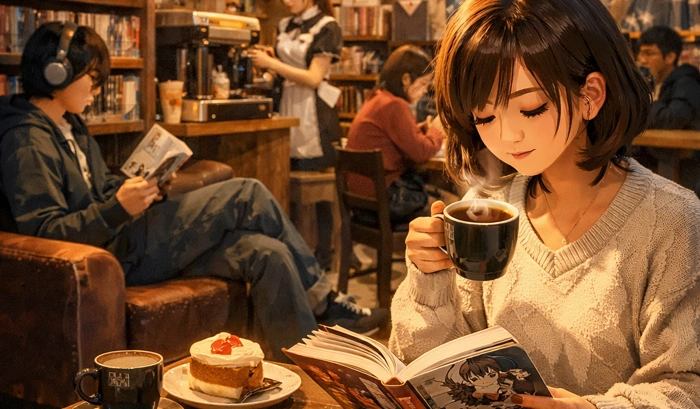
Hey readers, today we’re taking a closer look at coffemanga and why this unique mix of coffee and manga is becoming so popular around the world.
There are some combinations in life that just make sense. Peanut butter and jelly. Rain and a good book. And, for a growing number of people around the world coffee and manga. That is essentially what coffemanga is all about. It is not a product you can buy off a shelf, nor is it a single website or a specific café chain. Coffemanga is a feeling, a lifestyle, and an evolving cultural movement that has been quietly growing from the streets of Japan to cities across the globe.
Whether you have heard the word thrown around online or stumbled across it while looking for manga reading platforms, this article covers everything you actually need to know about coffemanga what it means, where it came from, how it exists today, and why so many readers find it genuinely appealing.
What exactly is coffee manga?
Break “coffemanga” down to its parts and the meaning is right there are two passions, fused into one word and one idea. At its core, it refers to the cultural experience of enjoying a good cup of coffee alongside manga reading, usually in a space designed to make both feel special at the same time.
But coffemanga is a term that actually covers a few different things depending on the context:
As a cultural movement, coffemanga is a broader lifestyle philosophy. It represents a mindful approach to leisure time slowing down, savoring a well-brewed cup, and losing yourself in a compelling visual story. At a time when everything demands speed, coffemanga deliberately does the opposite.
As a physical space, coffemanga refers to themed cafés and manga-oriented venues where customers come specifically to read manga while drinking quality coffee. These places are designed with deliberate care, warm lighting, shelves stacked with manga volumes, cozy seating, and menus that sometimes even take inspiration from popular manga series.
As an online platform, Coffeemanga (coffeemanga.ink) is a website where readers can access a large library of manga, manhwa, and manhua titles across various genres, completely free of charge.
As a manga genre, “coffee manga” also describes a specific sub-genre of Japanese comics that revolve around café settings, slow-paced storytelling, and slice-of-life themes, the kind of stories you read when you want warmth rather than action.
All four of these meanings live under the same umbrella term, which is part of what makes coffemanga such a layered and interesting concept to explore.
Also Read: Shari Ann Chinnis Indianapolis: Early Life, Career and Leadership
Where Did Coffemanga Come From?
The Japanese Roots of Manga Cafés
To understand coffemanga, you have to go back to Japan specifically to the late 1970s. The first dedicated manga café, known locally as a manga kissa (short for manga kissaten, meaning manga café), was established in Nagoya City in 1979. The concept was simple: a quiet, comfortable space where people could come in, pay a small fee, and read manga for as long as they liked, usually with drinks available.
Random as it might sound, the pairing made complete sense. Japan already had a strong tradition of kissaten traditional coffee shops that served as quiet retreats for students, artists, and professionals. Adding manga to these environments felt entirely natural, given how deeply manga was woven into everyday Japanese life. In Japan, manga gets read by people of all ages, on trains, in waiting rooms, and yes, in coffee shops.
Over the following decades, manga kissas evolved significantly. What started as simple reading rooms eventually became multi-purpose venues offering internet access, private booths, shower facilities, and even overnight accommodation, a lifesaver in a country where the last trains stop running around midnight. Today, manga cafés remain a genuine cultural institution in Japanese cities and have inspired similar establishments in South Korea, Taiwan, and increasingly, in Western countries like the United States and France.
From Japan to the World
Coffemanga’s global spread happened in step with the massive international rise of manga and anime. Streaming platforms carried anime to new audiences worldwide, and manga readership grew alongside it. Young people in cities across the world started looking for physical spaces that reflected their interests, and coffemanga cafés emerged as natural gathering points.
Cities with strong manga fanbases — Seoul, Los Angeles, Paris, New York, London started seeing coffeemanga-style venues pop up, each adapting the concept slightly to fit local culture. In the United States, for instance, these spaces often focus more on the reading and coffee experience without the overnight accommodation features common in Japan, but the core spirit remains the same.
What Is a Coffemanga Café Like?
The Atmosphere and Interior
Walking into a coffemanga café is an experience in itself. Warm, soft lighting greets you at the door, and wooden bookshelves line the walls from floor to ceiling, packed with manga volumes. Seating options range from bean bags and tatami-style floor cushions to private reading booths and comfortable individual chairs all arranged to make you want to stay longer than you planned.
Many coffemanga venues push the theme even further, adding manga-inspired wall murals, collector’s displays, character-themed sections, or staff dressed in light cosplay. Every design choice pulls in the same direction: making the space feel like a natural extension of the manga world, not just a coffee shop with a few comics lying around.
The Food and Drink Experience
Coffee takes center stage on the menu, and these cafés take it seriously, specialty brews like pour-overs, espresso-based drinks, and single-origin beans are common, a clear step above standard chain café fare. Staff in many venues name their drinks after popular manga characters or iconic story moments, which adds a fun layer of immersion for fans.
Food and other drinks round out the offering: tea, soft drinks, snacks, sandwiches, and Japanese-inspired light bites fill out the menu. Traditional Japanese manga kissas often run an unlimited self-service drink bar as part of the hourly fee, a thoughtful setup that lets you read for hours without feeling pressured to keep ordering.
I have always thought there is something quite specific about the feeling of a hot drink in your hands while you are absorbed in a good story. Coffemanga cafés seem to understand this instinctively: the warmth of the cup and the warmth of the narrative end up reinforcing each other in a way that is hard to explain but easy to feel.
Who Goes to These Places?
Coffemanga spaces do not require a membership card or a lifelong obsession with manga to walk through the door. Students, professionals on a lunch break, illustrators looking for a quiet corner, and total beginners all find something here. The calm, bookish environment makes it easy to unwind, focus, or just sit with a drink and see where the afternoon takes you.
Multilingual manga collections and translation editions also make many of these cafés genuinely accessible to international visitors. Staff recommendations work much like a good independent bookstore tells them your mood, and they will find you something worth reading.
Also Read: Ancient Artz: Timeless Beauty of Human Creativity
The Coffeemanga Online Platform
Not everyone lives near a coffemanga café, and that is where the digital side of things comes in. Coffeemanga.ink is a popular platform that manga readers use to access content from anywhere, offering a broad library spanning manga, manhwa (Korean comics), and manhua (Chinese comics) across genres including romance, action, fantasy, drama, and isekai, among others.
Features of the Platform
Reading starts immediately, no account creation required, which removes the friction that puts off casual readers. A clean, mobile-friendly interface means the experience works just as well on a phone as on a desktop. Readers can adjust brightness settings and switch between horizontal and vertical reading modes, and selected titles support offline reading for when you are not connected.
Community features round things out nicely. Reader comments and star ratings on individual chapters help you gauge whether a series is worth picking up, and ongoing discussions keep regular visitors engaged between updates.
A Note on Using Free Manga Platforms
Free manga reading platforms like coffeemanga.ink occupy a legally gray area in many cases worth understanding before you use them regularly. Much of the content on such sites consists of fan-translated scans rather than officially licensed material, which is a known reality of the online manga ecosystem.
Whenever a series you discover through such platforms has an official release through a licensed app, a publisher’s storefront, or physical volumes, buying it directly supports the creators and studios behind the work. Running an ad blocker and keeping antivirus software active while browsing these types of sites is also sensible practice.
Coffee Manga as a Genre
Pull “coffemanga” apart from its cultural movement and online platform meanings, and you still find a third distinct use of the term: a specific genre of Japanese comics that stands entirely on its own. This genre captures something genuinely different in the manga world, and it is worth understanding separately.
What Makes Coffee Manga Different
Coffee manga stories are defined by their pace and tone more than anything else. These are not stories about dramatic battles, supernatural powers, or high-stakes romance. Instead, they focus on the quiet, meaningful moments of everyday life: a conversation between regulars at a café, a barista who finds purpose in their craft, a person learning to slow down after a period of burnout.
Settings reflect this mood deliberately. Stories unfold in intimate spaces, small cafés, quiet apartments, and neighborhood bookshops. Soft tones, warm colors, and carefully drawn backgrounds invite you to linger on a panel rather than race to the next one.
Common Themes
Loneliness, personal growth, emotional recovery, the quiet satisfaction of a daily routine, the unexpected bond between two strangers over a shared table these are the themes this genre keeps returning to. Heavy subjects, handled gently. Meaning surfaces in ordinary moments rather than dramatic ones.
For readers going through a busy or stressful stretch, coffee manga can serve as a genuinely restorative experience. It expects nothing from you. You just follow along, and somehow you feel a little steadier by the end.
Why Coffemanga Resonates With So Many People
The Slow Living Connection
Pick up your phone right now and count how many notifications arrived in the last hour. That number alone explains a lot of why coffemanga resonates the way it does. When people feel buried under constant connectivity, short-form content, and the pressure to always be productive, coffemanga pushes back — deliberately, quietly. It asks you to invest patience and attention in a well-made cup of coffee and a story that unfolds slowly over dozens of chapters.
Slow living and mindfulness have been genuine cultural priorities for years now, and coffemanga sits squarely in that conversation. Its appeal stretches well beyond manga fans; anyone who values spending time with intention rather than just filling it tends to understand the draw.
Community and Belonging
Walk into a coffemanga café, physical or digital and something shifts. Your enthusiasm for manga is not a quirk to explain or defend; it is literally the reason the place exists. For people who have spent years feeling like their interests sit outside the mainstream, that kind of belonging matters.
Newcomers find these communities genuinely easy to enter. Prior experience with manga is no requirement at all. Curiosity carries you through the door, and beginner-friendly collections, staff picks, and a general culture of encouragement handle the rest.
Creative Professionals and Coffemanga
Illustrators, writers, designers, and other creative professionals have quietly claimed coffemanga venues as informal workspaces. Manga art on the walls, the focused quiet of a reading-oriented space, and the gentle stimulation of good coffee combine into an environment that many people find genuinely conducive to creative work better, some say, than a standard co-working space precisely because the atmosphere does not feel transactional.
Many cafés lean into this dynamic actively, hosting open mic nights, zine fairs, and portfolio review events, or giving indie creators shelf space to sell prints and self-published work. That grassroots support adds another layer of purpose to these venues beyond simply being a comfortable place to sit.
The Future of Coffemanga
Expanding Globally
Outside Japan, coffemanga-style venues keep appearing at a steady pace. As manga readership grows globally and interest in Japanese art forms deepens, demand for physical spaces that celebrate both naturally follows. Cities that had no coffemanga café five years ago now have one or several and existing venues are raising their standards to match growing expectations.
Digital and Physical Together
Digital and physical coffemanga have stopped competing and started complementing each other. Online platforms introduce readers to the medium, many of whom then seek out brick-and-mortar venues and official releases to deepen their engagement. Coffemanga cafés, in turn, frequently introduce casual visitors to series they go on to follow online.
Cafés are threading in digital elements, thoughtfully tablets at tables for browsing digital libraries, QR codes linking to new releases, apps that suggest pairings based on personal preferences. These additions improve convenience without disrupting the fundamentally unhurried, analog quality that draws people to the experience in the first place.
Sustainability and Ethical Growth
Two areas are drawing increasing attention as the coffemanga community matures: where the coffee comes from, and how manga gets consumed. Single-origin, fair-trade beans are showing up more and more in coffemanga spots, and readers are placing greater emphasis on supporting creators through legitimate channels rather than relying entirely on free scan sites. Both shifts point in the same direction: a community that recognizes the things it loves are worth investing in properly.
Final Thoughts
None of this is complicated, which is probably part of why it works. Two things people already love: a good cup of coffee and a compelling story come together in a space and mindset that makes both feel even better.
Whether you experience coffemanga through a dedicated café visit, through an online reading platform, through the gentle storytelling of the coffee manga genre, or simply through the habit of brewing something warm and sitting down with a volume you have been meaning to read, the spirit of it is the same. Slow down. Pay attention. Let the story come to you.
In a world that rarely stops moving, that is not a small thing at all.
You May Also Read: Fran Candelera: Transforming Art into Social Impact
FAQs
Do I need to be a manga expert to enjoy coffemanga spaces?
Not at all. Coffemanga culture explicitly welcomes people at every level of familiarity with manga. If you have never read a single volume, that is completely fine. Most of these spaces are happy to make recommendations, and the environment itself is welcoming regardless of your background.
What kind of manga works best for a coffemanga session?
Any manga can work, but many enthusiasts find that series with natural stopping points fit well with the rhythm of a coffee break. Slice-of-life series, anthology collections, and shorter volumes tend to pair well with the coffemanga experience. That said, personal preference matters most, read whatever draws you in.
Is coffeemanga.ink a legal platform?
Legally speaking, it is complicated. Free manga scan sites operate in a gray area that varies by country and by individual title. Many works hosted on such platforms are not officially licensed for free distribution. Treating them as discovery tools and buying official releases when you find something you love is the most balanced approach.
Are coffemanga cafés only found in Japan?
No. While Japan remains the origin point and still has the most developed manga café culture, coffemanga-style venues have appeared across South Korea, Taiwan, France, the United States, and the United Kingdom, among other countries. The concept continues to spread as global interest in manga grows.